


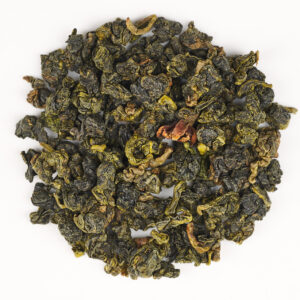

Origin: Guangdong Province, Chaoan County, Chaozhou City, China
Altitude of the garden: 600 m
Harvest time: 23.4.2025.
Final baking date: 30.5.2025.
Cultivar: Ya Shi Xiang
Picking Method: Manual
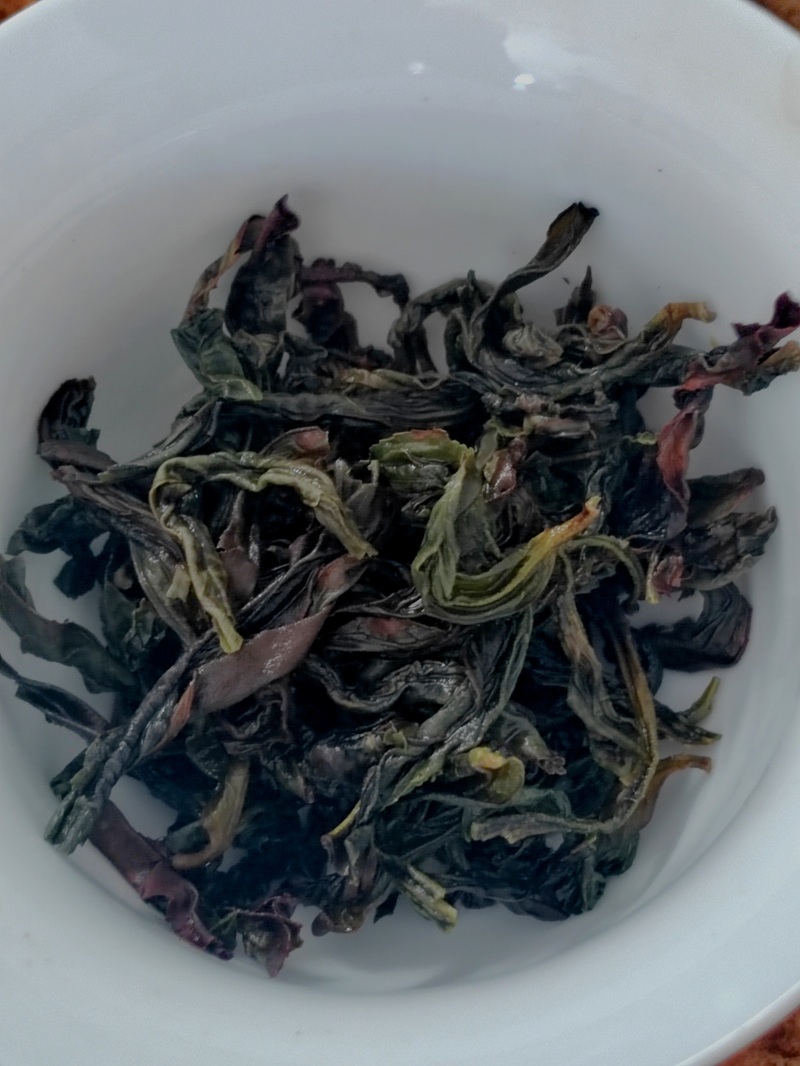
Yashixiang”, also known as “Duck shit” tea, was named after the specific color of the soil in which it is grown – the local yellow loam with an unusual color resembles duck droppings, although it is an extremely fertile and unique soil. Fresh tea leaves are dark green, and the taste of the drink is creamy, smooth and refined. This tea is certified organic according to the standards of the European Union and the United States of America.
Legend has it that a tea grower, during his lifetime, once told visiting tea lovers that the mother tree originally grew on Mount Wuling. At first it looked inconspicuous, but later the breeder’s family transplanted it to an area of lower altitude. Surprisingly, tea trees thrived in the local yellow soil that was colloquially referred to as “duck poop soil.” When the first harvest was harvested, it caused a real sensation with its exceptional taste. While neighbors asked for the name of the extraordinary tea, the grower, fearing that others might steal his discovery, casually replied: “It’s nothing special, just tea grown in the soil of duck droppings, and the smell is like the smell of duck droppings.” This casual name, born out of the desire to hide the truth and distract people from this extremely high-quality tea, has since lingered and spread.
Dan Cong Oolong is grown on the slopes of the Phoenix Mountains near the city of Fenghuang. Some plantations grow wild, along with other crops, which contributes to exceptional biodiversity. Thanks to the natural balance, pests are controlled without the need for pesticides. The Phoenix mountain range stretches at altitudes of 400 to 1400 m, and the mild climate with an average temperature of 22 °C is ideal for growing this exceptional organic tea.
Chaozhou Phoenix Mountain is known for its premium Phoenix Dan Cong oolong tea, which draws its unique aroma and flavor from the local climate and soil. Nestled among the 73 Phoenix Mountains, this region has fresh air, a mild climate, and plenty of rainfall. In addition to being a tourist attraction, the mountain is also a major tea-producing area, with over 20,000 hectares of tea gardens.
Among them, an ancient forest with more than 3000 trees dating back 200–400 years stands out, including the legendary “Song Zhong Tea King” trees up to 600 years old. In 1982, Dan Cong was listed among the 32 most famous Chinese teas.
To prepare this tea, it is recommended to use mountain spring or purified water and a teapot with a lid. Speed is key. First, it is necessary to heat the kettle with hot water.
Then “rinse” the tea, which means that the dry leaves are poured with hot water, and then this water is poured out and thrown away after a few seconds.
Preparation – Yixing clay teapot
- 5 g tea
- 110 ml of water
- Temp. 95°C
- Irides 5: 10s, 10s,20s, 30s, 50s
Preparation – gaiwan
- 5-6 g of tea
- 120 ml water
- Temp. 95°C
- Overflow 7: 5s, 10s, 15s, 25s, 25s, 30s, 40s

