


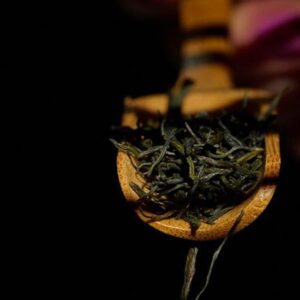
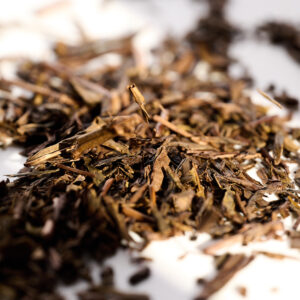
Harvest time: first spring harvest 2026. (Ichibancha)
Origin: Shizuoka, Japan
Ichibancha is the first spring harvest of young leaves and has a high reputation and is rated as a top tea. About 2 weeks after the first harvest, new buds begin to grow, and in about 45 days new leaves are ready for the second harvest. These teas are called Nibancha. The reason that Nibancha cannot surpass the quality and aroma of Ichibancha is that Ichibancha collects and stores enough nutrients during the winter. And while Nibancha grows very fast, Ichibancha grows slowly while the weather is still relatively cool. Also, Ichibancha contains 3 times more theanine than Nibancha, which is the main source of tea flavor. This also explains why Ichibancha tastes so much better than others.
Such leaves are ground between two stones to slowly grind into a fine powder. Grinding between stones prevents heating, which has a detrimental effect on the powder content. By grinding the leaves in this way, the powder retains all the nutrients and high quality. Higher-grade matcha has a sweeter and pleasant taste.
Matcha is traditionally used in the Japanese tea ceremony, but today it is often used as a healthy drink and to flavor various dishes, drinks, shakes and pastries.
Preparation: A bamboo whisk, 1.5g to 2g gram of powder (approximately 1/4 teaspoon), a Matcha bowl are required for preparation.
Pour 120 ml of water at a temperature of 50-70°C over the powder and mix quickly with a whisk until the powder is completely dissolved and foam forms on top. If you don’t drink right away, you need to stir a little before drinking to lift the powder that has settled to the bottom.


