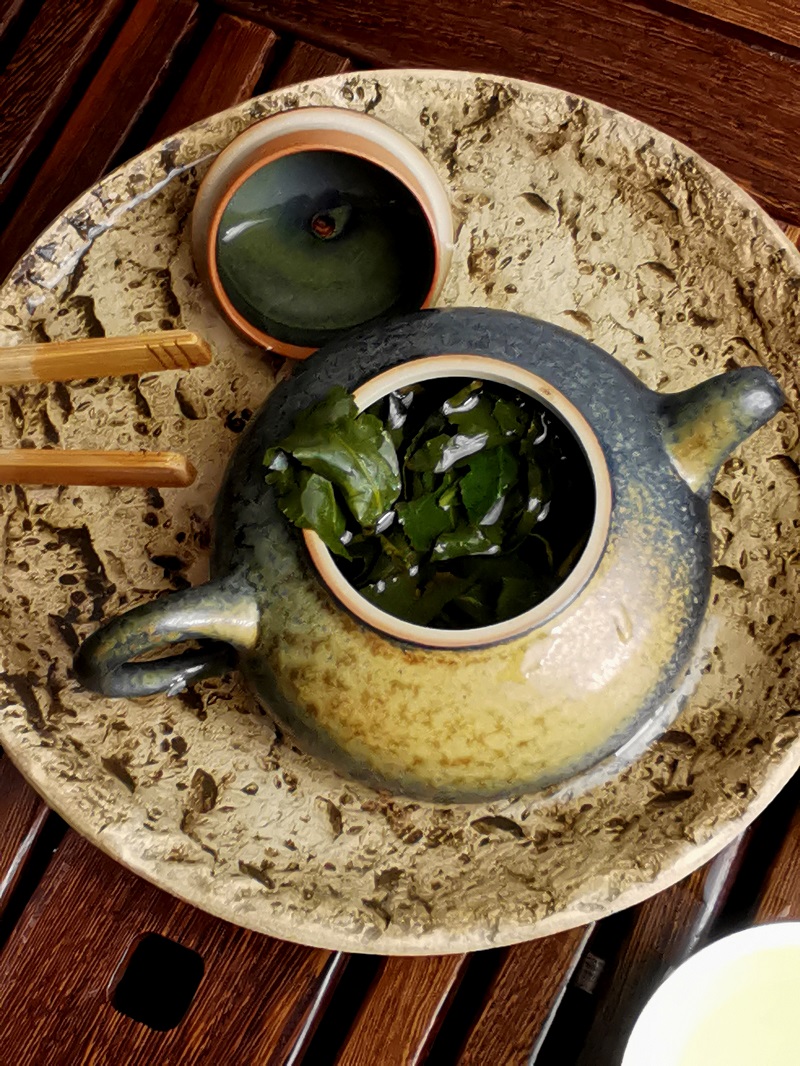
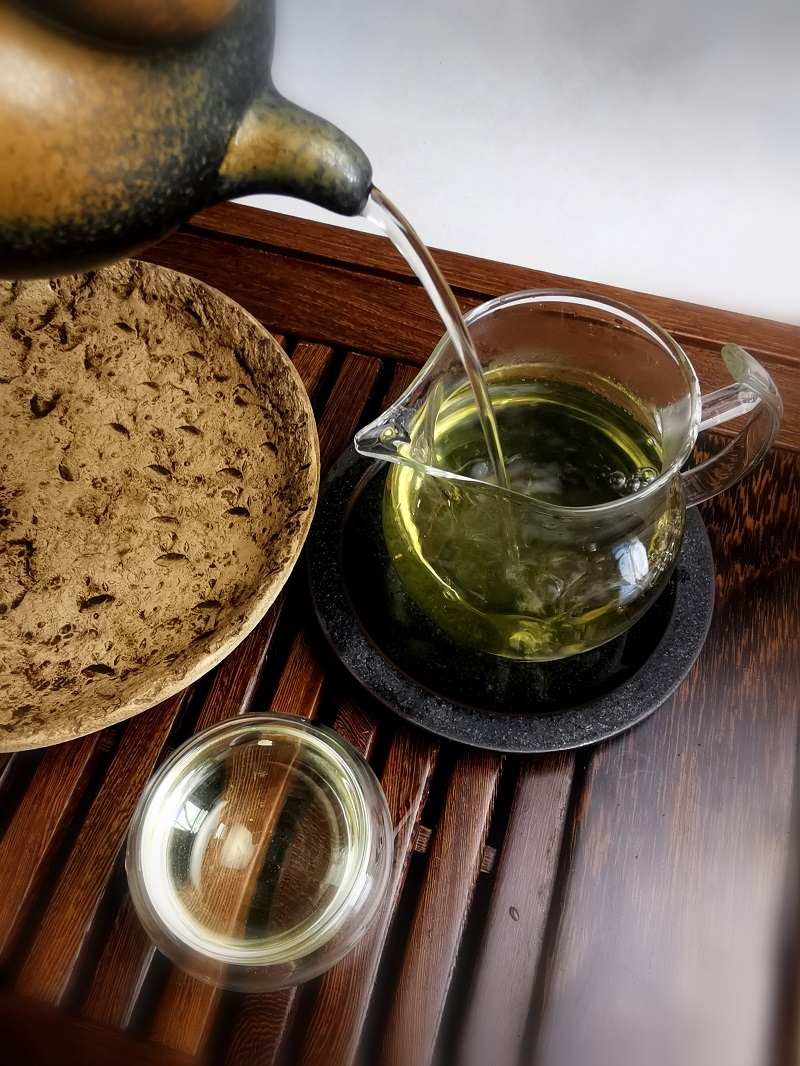
According to the Japanese tea master Sen no Rikyu, preparing a cup of tea is an exercise in simplicity that requires nothing more than hot water, tea, and serving. Although these simple words capture the spirit of tea, properly preparing each of the hundreds of tea varieties requires attention and knowledge. Making a delicious cup of tea is a balance of tea leaves, the quantity and temperature of the water, steeping time, and the vessel in which the tea is prepared. Even the highest-quality tea will taste poor if prepared incorrectly.
It is always best to use fresh spring water when possible. Distilled water is not a good choice because minerals in the water are desirable and have a favorable effect on the flavor of tea. Heat the water to boiling point. It is important not to let it continue boiling; turn off the heat as soon as bubbles appear. If a tea requires a lower water temperature , allow the water to cool to the recommended temperature.
The general rule that all teas should be prepared with boiling water is incorrect. Each type of tea has a recommended temperature for producing the best cup. Because of its more delicate processing, green tea often requires cooler water to ensure the best flavor. Conversely, black tea, which is fully oxidized, requires much hotter water to release its characteristic roasted, sweet aroma.
As with water temperature, different types of tea need to be steeped for longer or shorter periods. In general, delicate teas such as green tea require shorter steeping times. Renowned black teas are best with longer infusions. Naturally, infusion time also depends on culture and personal preference. For each tea, the producer specifies the temperature, steeping time, and number of infusions.
In the end, everyone can choose how to prepare their own ideal tea according to personal taste.