

Origin: Baguashan, Nantou County, Taiwan
Altitude of the garden: 300 m
Harvest time: ožiak, 2026.
Degree of oxidation: 40-60%
Cultivar: Jin Jxuan TTES No. 12, Ying Xiang TTEA No. 20
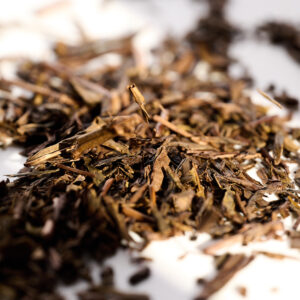
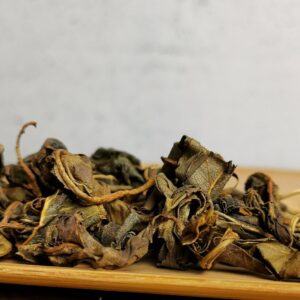
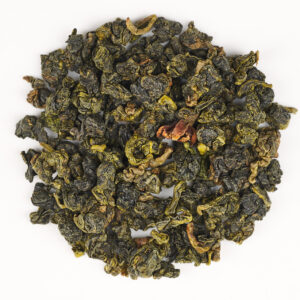
In today’s hectic lifestyle, it seems that we are constantly looking for simple ways to address the negative side effects of such a lifestyle. GABA tea offers a solution. High-quality and highly oxidized tea with a pleasant refreshing taste and fruity aromas will surely delight you.
This manufacturer has been engaged in the natural cultivation of tea in its garden for more than 20 years. He was one of the first growers to start producing GABA oolong tea.
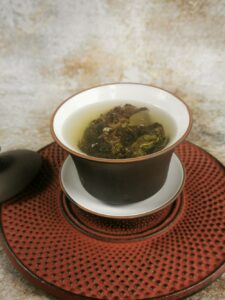 GABA stands for gamma-aminobutyric acid and is an amino acid that acts as a neurotransmitter in the central nervous system and is one of the most abundant neurotransmitters in the brain. GABA is a non-essential amino acid and a natural tranquilizer. It improves the quality of sleep and helps us regulate emotions and cope with stress more easily.
It helps relieve anxiety, PMS symptoms, helps with ADHD, and has been shown to stabilize blood pressure in humans and animals.
GABA is naturally found in many vegetables and plants that we consume, and tea is no different. All teas contain some amount of GABA, but only some of them are called GABA teas. This is due to the additional stage of production. When the tea has gone through the usual manufacturing process and has completed its final drying, GABA tea is subjected to another stage of production where various methods are used to slow down the oxidation of the tea after production, including sealed packaging, freezing, vacuum packaging, and oxygen reduction around the tea leaves. While decreasing oxygen during tea packaging that creates a nitrogen-rich environment, Japanese scientists found that GABA levels in tea increased, which was another completely accidental discovery! In 1987, Dr. Tsusida at the Examination Center of the Ministry of Agriculture developed a method to increase GABA in green tea.
In Japan, tea became very popular due to its health benefits and began to be produced on a large scale to meet public demand. The Taiwanese found that the oolong tea production method responded well to this additional stage of production and perfected a method to increase the level of GABA in the tea and soon GABA tea was available from many Taiwanese tea producers. Today, many teas sold under the name GABA must undergo testing so that manufacturers can prove the levels of GABA achieved in their teas. In Japan, the law has set strict minimum standards for any tea sold as GABA tea. Japanese law requires that there should be at least 150 mg of gamma-aminobutyric acid per 100 grams of tea leaves in order for the tea to be able to be brewed.It’s like a GABA tea.
The benefits that GABA tea has on health are simply not yet known to the vast majority of people, or is GABA tea one of those secrets of Japan that westerners simply haven’t discovered yet?
Preparation – kettle:
• 4-5 g of tea
• 200 ml of water
• Temp. 95°C
• 4 pour-overs: 2 min, 2.5 min, 3 min, 3.5 min
Preparation – gaiwan:
• 5-6 g of tea
• 110 ml of water
• Temp. 95°C
• Overflow 6: 25s, 35s, 40s, 60s, 110s, 140s
Cold brew:
- Quantity: 9–10 g of tea per 1000 ml of water
- Preparation: Place the tea leaves in water at room temperature, let stand for 15 minutes, and then refrigerate for 9–10 hours. Strain the drink and drink within 24-48 hours.
Serving tip: If desired, you can additionally decorate the finished tea with fresh mint leaves, slices of lemon, orange or other fruit of your choice.