


Harvest time: spring, 2025
Origin: China
Picking Method: Manual

Carefully grown without the use of pesticides or chemical fertilizers, hand-picked.
Hibiscus has a long history. It was used by the ancient Indians and Egyptians. It is known that Queen Cleopatra loved to drink hibiscus drink for beauty. It is rich in vitamin C and polyphenols, which have a strong antioxidant effect.
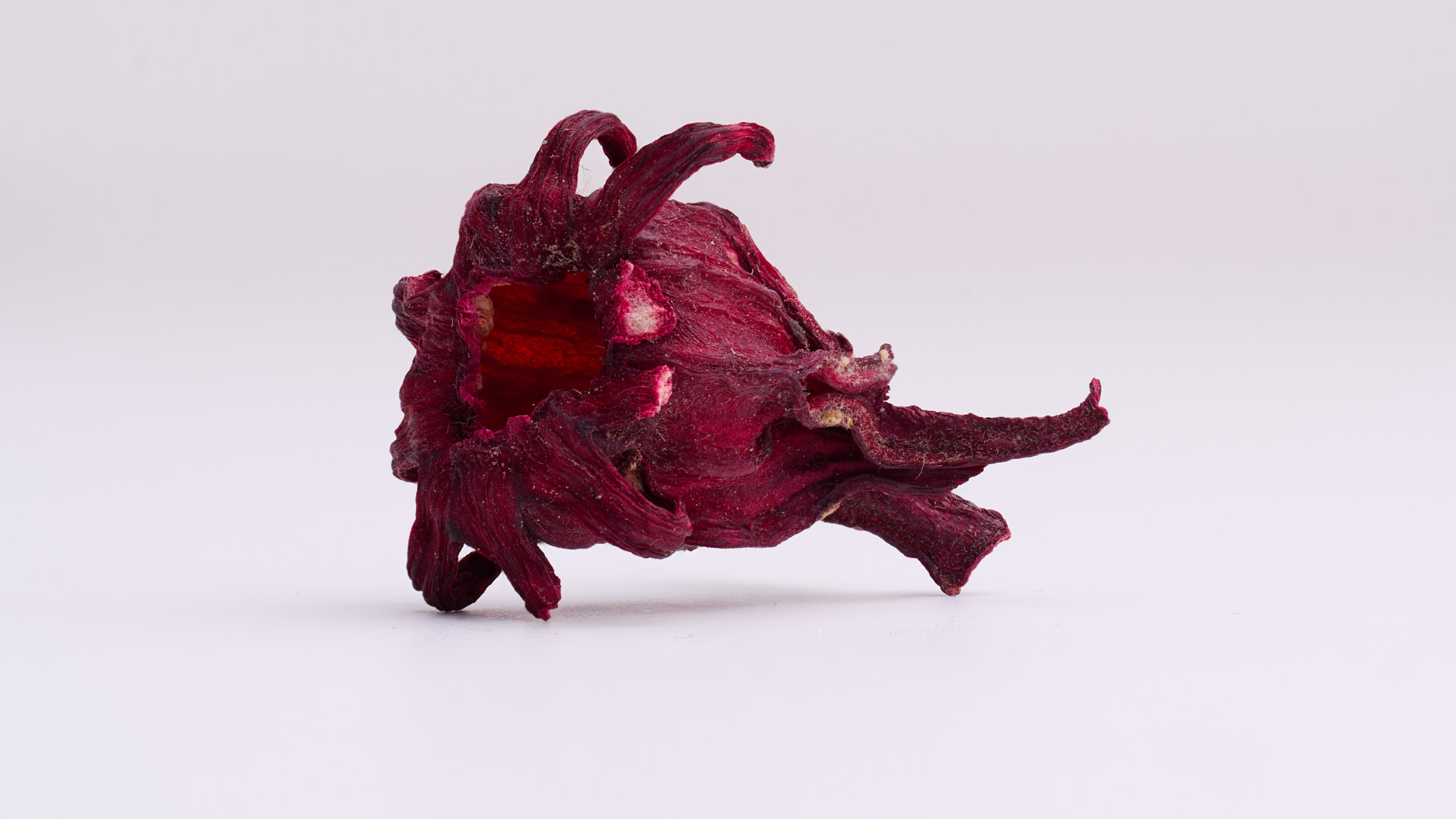
The sour aroma is known as a characteristic of this tea, while the bright red color is due to its high content of anthocyanins and other nutrients such as vitamin C.
Rosella is not a fruit or a flower. The edible parts used to make juice or tea are the red fleshy “sepals” that cover and enclose the seeds of the flower.
It is also a good source of nutrients, vitamins and minerals. Consumption of 100 grams of raw hibiscus contains about 215 mg of calcium, 1.48 mg of iron, 12 mg of vitamin C, 51 mg of magnesium, 6.0 g of carbohydrates, 37 mg of phosphorus, 208 mg of potassium, as well as vitamin A, vitamins B1, B2 and B3. The flowers are a rich source of anthocyanins (antioxidants) and protocatechuic acid (“PCA”) with very low levels of fat, sugar, sodium and carbohydrates.
Hibiscus flowers can be red, yellow, white, or peach-colored, and grow up to 6 centimeters tall. The most popular variety is Hibiscus sabdariffa. The red flowers of this variety are most often grown for medicinal purposes, and are available as dietary supplements.
With its sour taste, it is ideal and refreshing when drunk alone or in combination with other beverages. It is great as a hot drink, but also as an iced tea for hot summer days.
Hibiscus is used in different cultures as a remedy for various diseases. The Egyptians used hibiscus tea to lower body temperature, treat heart disease and as a diuretic. In Africa, tea was used to treat constipation, cancer, liver disease and cold symptoms. A gruel of leaves was applied to the skin to heal wounds.
Today, hibiscus is popular for its positive effects because it regulates and reduces high blood pressure.
Preparation: Pour 3 cups with 200 ml of water at a temperature of 95 °C. Leave for 5 minutes and strain. Leave the second pouring for 8 minutes.
Number of overflows: 2
Cold brew:
- Quantity: 10 g of tea per 1000 ml of water
- Preparation: Place the tea leaves in water at room temperature, let stand for 15 minutes, and then refrigerate for 9–10 hours. Strain the drink and drink within 24-48 hours.
Serving tip: If desired, you can additionally decorate the finished tea with fresh mint leaves, slices of lemon, orange or other fruit of your choice.